
Restoring the Gambella wetland is not only about restoring an ecosystem. It is also about creating opportunities for the communities who depend on the landscape to build more secure and sustainable livelihoods.
The journey began with the restoration of the Gambella wetland and efforts to involve communities in caring for the landscape. From there, the approach has expanded to create opportunities for communities to generate income as well.
Community tree nurseries are one example. Groups raise native seedlings that can support restoration efforts while also creating an opportunity to earn income through the sale of seedlings. This creates a direct link between landscape restoration and support for household and group livelihoods.
The approach is now expanding into other enterprises, including beekeeping, fodder production and poultry farming. Although these activities do not all contribute to restoration in the same way, they share an important purpose: helping communities diversify their sources of income and reducing dependence on vulnerable natural resources.
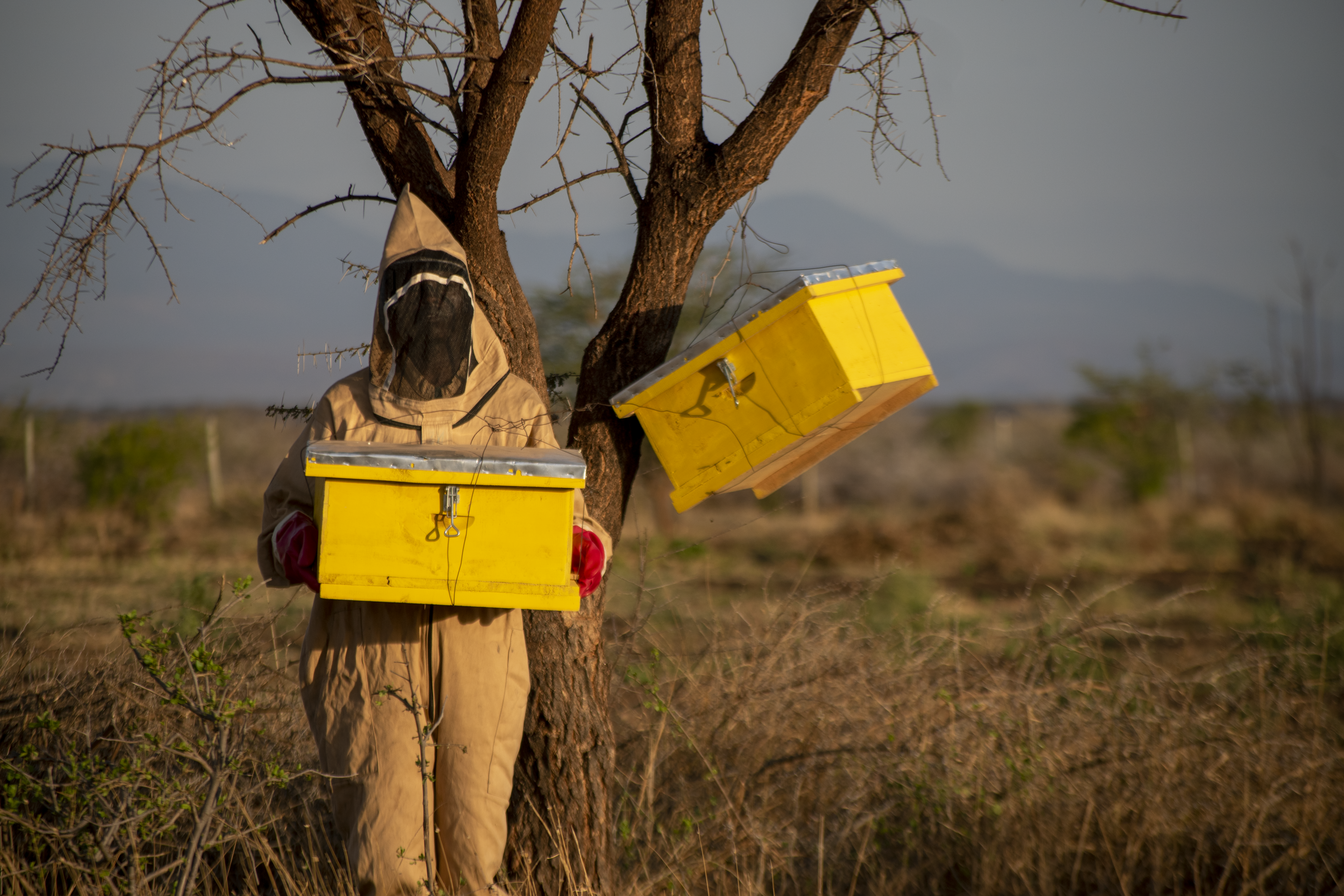
Beekeeping provides a particularly strong connection between livelihoods and ecosystem health. Bees depend on flowering plants and vegetation for forage, while pollinators contribute to healthy ecosystems and agricultural production.Under SolutionScape 2, community groups have been supported with practical training in modern beekeeping and hive management. The enterprise offers an opportunity to generate income while creating an economic connection to the vegetation and natural habitats that support bee populations.
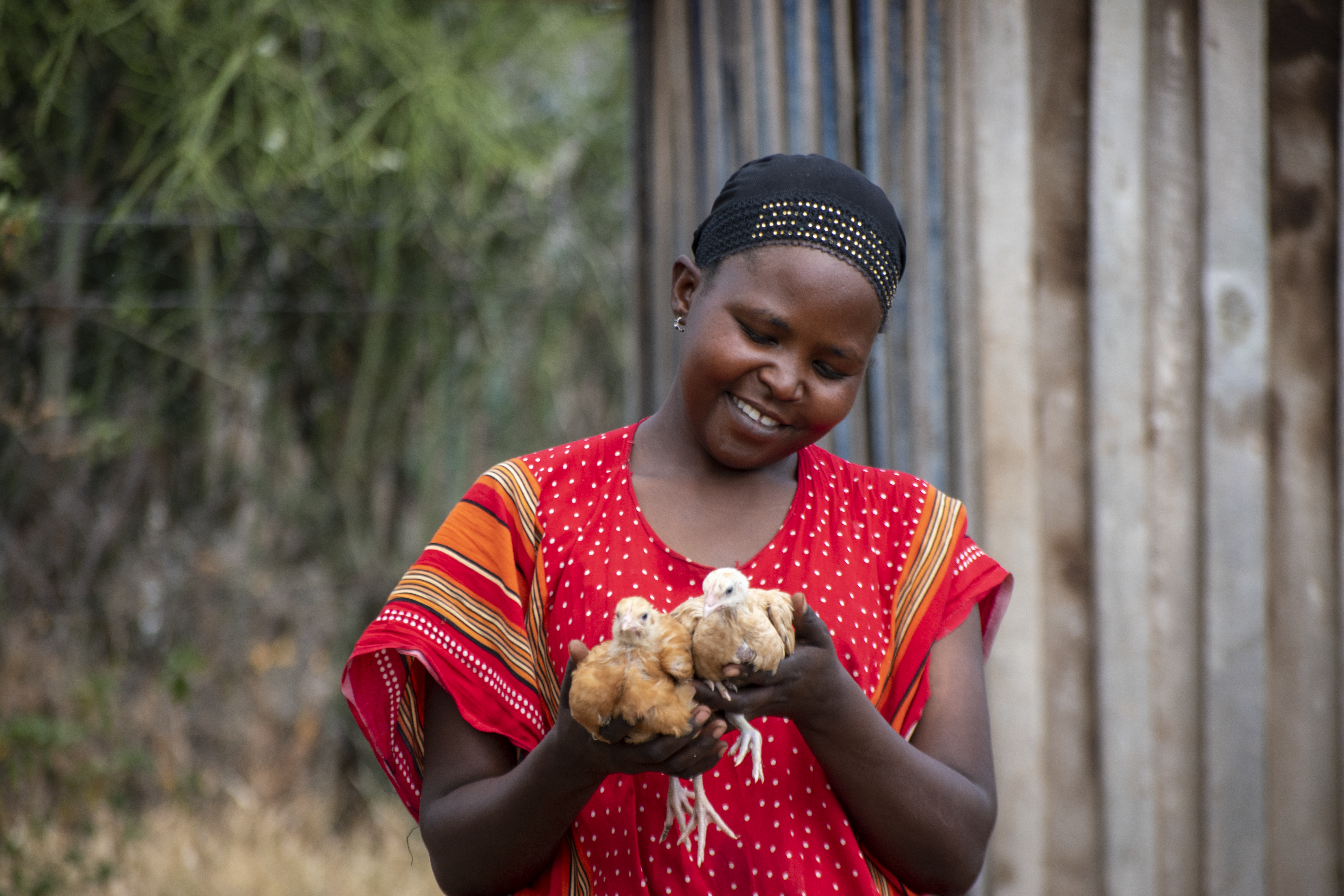
Photo by: Nyatichi Beverline
Fodder production provides another pathway. For livestock-dependent communities, access to reliable sources of animal feed can support livestock production while potentially reducing pressure on natural grazing areas. Poultry farming adds a further layer of income diversification. Three community groups participated in practical poultry husbandry training covering housing and hygiene, feeding and nutrition, disease prevention, marketing and record-keeping. Each group received 50 one-month-old, improved chicks, bringing the total to 150 chicks, alongside the inputs needed to establish their enterprises.
The poultry component is not a direct wetland restoration activity. Its contribution is through diversification: providing communities with another livelihood option that does not depend directly on extracting resources from the wetland.
Together, these activities point to a broader approach to restoration. A wetland cannot be considered in isolation from the people living around it. If restoration is to endure, communities need opportunities to strengthen their livelihoods while maintaining the natural systems that support them.
This is where nature-positive livelihoods become part of the bigger restoration picture. Tree nurseries connect income generation directly with landscape restoration. Beekeeping connects enterprise with vegetation and pollinator health. Fodder production can help address livestock feed needs, while poultry provides another source of income less directly dependent on wetland resources.
The long-term success of these enterprises will depend on continued mentorship, monitoring, technical support and access to markets. Building viable businesses takes time, and community groups will need support as they navigate challenges such as feed availability, disease management, production and marketing.
The ambition in Gambella is therefore bigger than restoring a wetland. It is about building a landscape where healthy ecosystems and resilient communities can support one another.When restoration creates tangible opportunities for people, conservation becomes connected to everyday economic realities. In Gambella, nature-positive livelihoods are helping explore what that connection can look like, and how investment in people can become part of the long-term investment in the landscape.